Discover 32 nomad-tested spots with fast Wi-Fi and accessible outlets in Rio de Janeiro.
Machado De Assis' Popular Municipal Library
BCG - Central Library Gragoatá
Biblioteca Central Cefet/RJ - Maracanã
Biblioteca Marcos Juruena Villela Souto
BiblioMaison
Biblioteca do CFCH - UFRJ
Biblioteca Professora Silvia Becher (PROPGPEC/CPII)
Casa da Leitura
Biblioteca Henrique Morize
Centro Cultural Justiça Federal
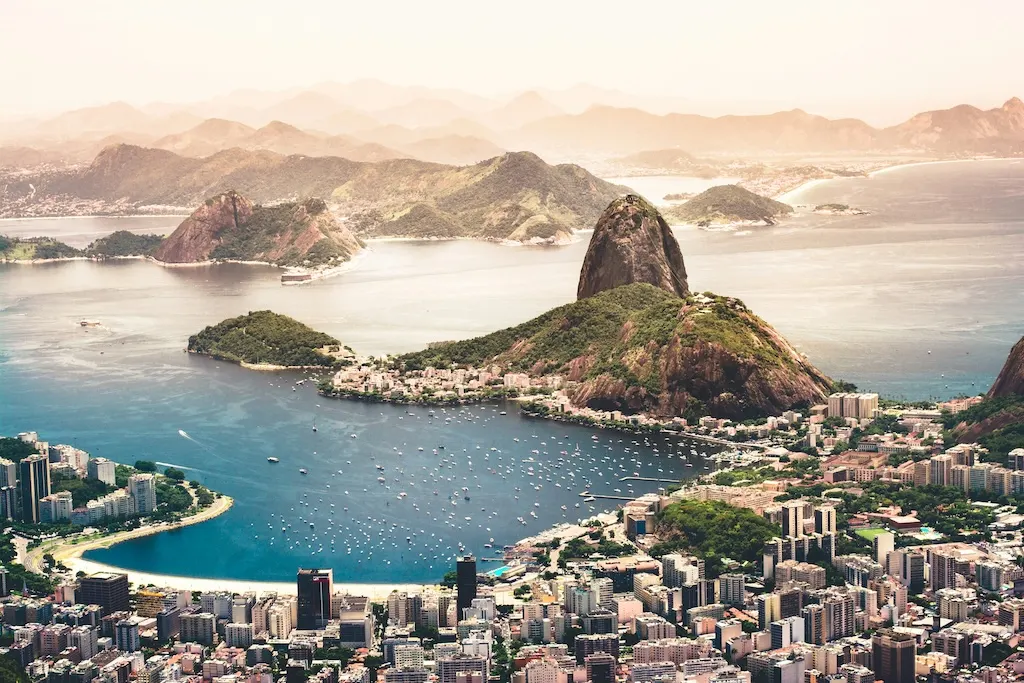
Rio de Janeiro was named the top winter destination for digital nomads by Nomad List, and it is easy to understand why: the combination of world-class beaches, a warm and social culture, fiber internet throughout the South Zone, and an expanding coworking ecosystem gives remote workers a working environment few cities anywhere can match. The South Zone neighborhoods — Botafogo, Flamengo, Ipanema, and Leblon — are the practical base for most nomads: they offer the best safety profile, walkability, strong WiFi (300–600 Mbps fiber widely available), and convenient access to coworking spaces. Arca Hub, situated between Ipanema and Copacabana, is one of the better-regarded spaces; Selina Lapa attracts an international crowd with combined hostel-coworking facilities; and Botafogo has several newer spaces serving the neighborhood's dense population of freelancers and startup workers.
Monthly costs in Rio run higher than most Brazilian cities: a realistic budget for a furnished apartment, coworking, food, and transport in the South Zone is $1,500–$2,200 USD. Rents in Botafogo and Flamengo are somewhat lower than Ipanema or Leblon, making them the most practical choice for cost-conscious nomads who still want to be close to the beach. Santa Teresa, a hilly bohemian neighborhood above downtown, offers an alternative aesthetic and is home to coliving facilities. Safety awareness is essential — Rio's crime statistics are uneven, and choosing to stay in well-trafficked South Zone neighborhoods rather than venturing alone into unfamiliar areas at night dramatically changes the experience.
Brazil's VITEM XIV digital nomad visa (1-year, renewable once, requires $1,500 USD/month income) covers extended stays. For remote workers, Rio offers something beyond infrastructure: the lifestyle itself — the beach volleyball, the outdoor workouts on the Ipanema boardwalk, the boteco happy hours — is part of the draw, and for many nomads, it justifies the higher cost relative to smaller Brazilian cities.
